Nathan and Sons Review 2026: Does Underbrush Remineralizing Gum Really Work?
-
September 01 , 2026
-
38
Quick Verdict:
| Our Assessment | |
| Overall Rating | 7.8/10 |
| Best For | People wanting a premium, sugar-free, plastic-free gum as an addition to their normal oral-care routine |
| Best Feature | Xylitol + hydroxyapatite combined with a chicle/tree-resin gum base |
| Pros | Sugar-free, plastic-free base, xylitol, nano/micro hydroxyapatite, long-lasting chew, multiple flavors |
| Cons | Expensive versus normal gum, flavor can fade quickly, product-specific clinical evidence is limited, small but poor Trustpilot profile |
| Short Summary | Underbrush has a more interesting formula than conventional chewing gum and includes ingredients with genuine oral-health research behind them. But that isn't the same as proving Underbrush itself remineralizes teeth or prevents cavities. Think of it as a premium oral-care adjunct—not a replacement for toothpaste, flossing or dental treatment. |
Nathan and Sons Review 2026: Worth the Underbrush Hype?
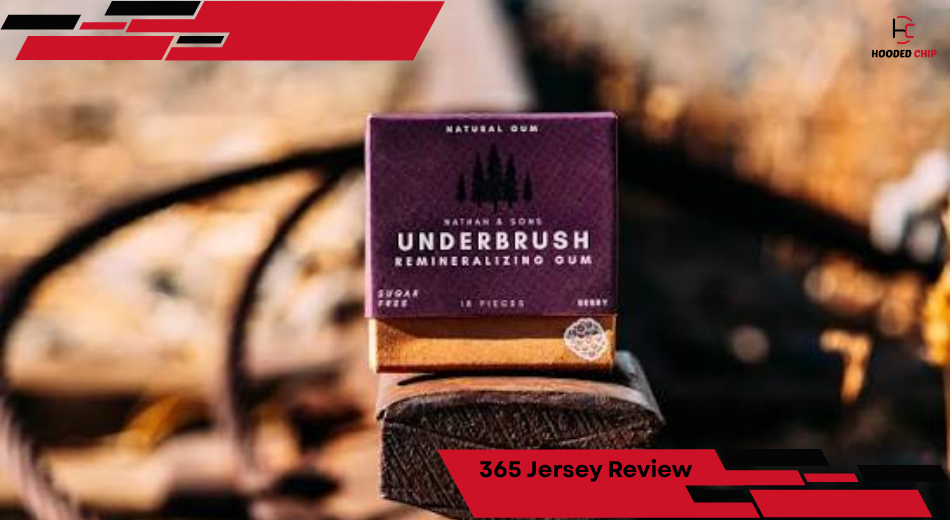
There's ordinary chewing gum, and then there's gum being sold almost like an oral-care product. Underbrush belongs firmly in the second category. Created by Nathan & Sons, Underbrush Remineralizing Gum combines xylitol with hydroxyapatite, mastic gum, spruce gum, myrrh and other ingredients while replacing the synthetic gum bases used in many mainstream gums with a chicle-based alternative. Nathan & Sons says the product can support enamel, freshen breath and contribute to a healthier mouth. The company currently recommends chewing one or two pieces after meals for at least 30 minutes. That's enough to get the attention of anyone who already chews sugar-free gum after eating.
But it also raises an obvious question: Does Underbrush gum actually work?
The answer requires separating three different things that are frequently mixed together in online discussions: what customers experience, what scientific research says about individual ingredients, and what has actually been demonstrated for this specific finished product. That's what this Nathan and Sons review will do. We examined the current formulation and instructions, more than 15,000 reviews displayed on Nathan & Sons' product page, independent Trustpilot feedback, Reddit discussions, hands-on third-party reviews and published research on xylitol chewing gum. The result is a more nuanced story than either “miracle gum” or “marketing gimmick.”
Check Today's Price
What Is Nathan & Sons?
Nathan & Sons is the company behind Underbrush Remineralizing Gum, a viral oral-care gum that has gained significant attention through social media. The company's storefront has since expanded beyond Underbrush into Uprising Energy Gum, oral-care products, bundles and accessories. Its flagship product, however, remains Underbrush. Underbrush is designed to occupy the gap between chewing gum and daily oral care. Rather than using a conventional synthetic gum base, Nathan & Sons says Underbrush uses chicle derived from tree sap, together with candelilla wax and citric acid. The company positions this as a plastic-free alternative to the synthetic polymers found in many mainstream gums.
The current formula also contains xylitol and both nano- and micro-hydroxyapatite, along with erythritol, mastic gum, spruce gum, acacia gum, myrrh gum and several minerals. Exact ingredients vary somewhat between flavors. This is why searches for Nathan and Sons gum reviews and Underbrush gum reviews effectively lead to the same product. Nathan & Sons is the company. Underbrush is the gum.
Underbrush Gum Review: What Makes It Different?
A Plastic-Free Chicle Gum Base
Underbrush's most immediately understandable difference has nothing to do with remineralization. It's the gum itself. Nathan & Sons says its base uses chicle a traditional tree-sap material rather than synthetic plastic-based polymers. That matters to consumers specifically trying to reduce synthetic ingredients in everyday products. It also changes the chewing experience. Don't expect Underbrush to feel exactly like a stick of mainstream peppermint gum.
Natural gum bases tend to produce a firmer, denser chew, and independent reviewers have noticed exactly that. A detailed 2026 hands-on review described Underbrush's texture as surprisingly close to conventional gum despite its unusual collection of natural resins, although the reviewer was much less enthusiastic about its short-lived flavor. That texture difference isn't necessarily a weakness. Some customers actively prefer it.
Xylitol Instead of Sugar
Xylitol is where Underbrush moves beyond purely lifestyle-focused “natural gum” marketing. There is legitimate scientific interest in xylitol chewing gum. A 2022 systematic review found that habitual xylitol gum chewing was likely to decrease plaque accumulation, although the included studies were heterogeneous. A newer systematic review covering clinical studies published before 2025 found that xylitol gum reduced mutans streptococci in most qualifying studies and reduced plaque in six of ten studies, although caries outcomes were less consistent.
Other systematic reviews haven't been uniformly enthusiastic. A 2021 review concluded there was insufficient evidence to support xylitol-only gum for preventing caries in children because the available studies were limited and inconsistent. That's an important example of why oral-health claims shouldn't be reduced to “science proves it works.” The evidence is promising in several areas, particularly plaque and oral bacteria, but it's not a blank check for every claim made about every xylitol product.
Nano and Micro Hydroxyapatite
Hydroxyapatite is the ingredient most responsible for the word “remineralizing” in Underbrush's positioning. It's a calcium-phosphate mineral closely related to the mineral component of teeth and is increasingly found in toothpastes and other oral-care products. Underbrush includes both nano- and micro-hydroxyapatite according to its current ingredient list. Here's where we need to make an important distinction.
Research on an ingredient does not automatically establish the effectiveness of every finished product containing it. We did not find a peer-reviewed clinical trial demonstrating that Nathan & Sons Underbrush itself remineralizes enamel or prevents cavities at the dose delivered by its current gum formula. That doesn't make the ingredient meaningless. It simply means buyers shouldn't interpret “contains hydroxyapatite” as equivalent to “clinically proven to repair my teeth.”
Botanical Resins and Minerals
The ingredient list is unusually ambitious for chewing gum. Mastic, spruce, acacia and myrrh gums appear alongside calcium carbonate, magnesium carbonate and zinc gluconate in selected formulas. Nathan & Sons frames these ingredients as part of a multifunctional oral-care formula rather than merely flavoring. From a buyer's perspective, the advantage is less about memorizing every botanical and more about the overall formulation philosophy. This isn't simply mint gum with a wellness label attached. There really is a materially different ingredient list. Whether that difference is worth the premium price is another question.
Underbrush Flavors
Nathan & Sons' current product selector shows: Mastic Mint, Berry, Cinna-Mastic, Tropic Twist and a Variety Pack.
Mastic Mint is the obvious starting point if your goal is fresh breath. Berry moves toward a fruit-forward flavor using fruit powders including blackberry, raspberry, strawberry and dragon fruit, while Cinna-Mastic uses Ceylon cinnamon and aromatic compounds associated with cinnamon's flavor profile. There is one recurring trade-off.
Nathan & Sons itself acknowledges that natural flavors may fade sooner than conventional gum because Underbrush doesn't rely on synthetic flavor boosters. Customer feedback supports that. The site's own review summary says shoppers generally appreciate the chew and natural ingredients, but some specifically complain that the flavor doesn't last long. So don't confuse long-lasting chew with long-lasting flavor. Underbrush can remain chewable after the initial taste has faded.
First Impressions: Packaging, Texture and Experience
Underbrush presents more like a premium wellness product than supermarket gum. The packaging is compact and relatively understated, and Nathan & Sons says it has been designed to be minimal and recyclable. There's no setup beyond opening the pack.The company recommends chewing one to two pieces after meals for at least 30 minutes, and says one pack should last approximately one week. Four packs represent roughly a month's supply when chewing two pieces per day. The first chew is where conventional-gum users will notice the biggest difference.
Underbrush can initially feel firmer than mainstream gum. Customer reviews on the brand's site include comments describing the initial texture as tough before it becomes easier to chew. Other buyers specifically say they enjoy the unusual texture. That makes texture a preference rather than a straightforward positive or negative. The flavor is more predictable. Expect it to fade sooner than heavily flavored conventional gum.
Does Underbrush Gum Work?
This is the question that deserves the most careful answer.
For Freshening Your Mouth?
Yes, that's a reasonable expectation. Chewing stimulates saliva, and Underbrush combines that mechanical effect with sugar-free sweeteners and aromatic ingredients. The official site's large customer-review dataset repeatedly mentions a cleaner mouth and fresher feeling after chewing. That is also an outcome someone can reasonably notice immediately.
For Plaque?
Potentially useful as an adjunct. The strongest evidence here isn't specific to Underbrush; it's the research on xylitol chewing gum. A systematic review of randomized controlled studies found xylitol gum reduced plaque accumulation in most of the qualifying studies. A 2025 systematic review similarly found decreases in plaque in several studies comparing xylitol with other polyol gums. That makes the ingredient rationale credible. It does not mean chewing Underbrush replaces mechanically removing plaque with brushing and interdental cleaning.
For Remineralizing Teeth?
Plausible ingredient rationale, but don't overstate the evidence. Underbrush contains hydroxyapatite. What we couldn't verify is a product-specific clinical trial showing how much remineralization occurs from chewing Underbrush according to its recommended routine. That's important. If a manufacturer tested a hydroxyapatite toothpaste at a defined concentration and achieved a particular result, you can't automatically transfer that numerical outcome to a different gum with a different concentration and exposure time. Underbrush can therefore reasonably be described as containing remineralizing ingredients. Calling it clinically proven to remineralize your teeth would require stronger product-specific evidence.
Can Underbrush Reverse Cavities?
Do not buy it for that purpose. A cavity that has progressed beyond early enamel demineralization needs professional assessment. Underbrush shouldn't be treated as an alternative to a dentist, restorative treatment or a normal brushing/flossing routine. Even a competitor's critical 2026 review notes that Underbrush does not officially claim to reverse cavities. That's a sensible boundary. If you have pain, visible decay, a broken tooth or suspect a cavity, spend the money on a dental examination rather than relying on gum.
Real-World Experience: Strengths and Weaknesses
Underbrush makes the most practical sense between brushing sessions. Lunch at work is a good example. Most people aren't carrying an electric toothbrush and floss into a restaurant. A sugar-free gum that stimulates saliva and contains xylitol is easy to incorporate after eating. That's where Underbrush's format is genuinely clever. There are no tablets to dissolve, no paste and no rinsing. You simply chew. The gum also appears capable of maintaining its physical texture longer than its flavor. The brand's review summary specifically highlights long-lasting chew, while several customers simultaneously mention shorter flavor duration. Independent experience is similar.
One 2026 reviewer who purchased the product praised its conventional-like chewing texture but strongly criticized the flavor for disappearing too quickly, especially given the premium cost. That's likely the main sensory weakness. The other weakness is less obvious: you can't easily judge remineralization yourself. Teeth feeling smoother after chewing is not proof that enamel has been remineralized. A cleaner mouthfeel is a perfectly valid reason to enjoy the product, but it shouldn't be transformed into a clinical outcome.
Underbrush Gum Pricing & Value
The current product page displays $29.99 for a two-pack configuration. Nathan & Sons also offers four- and eight-pack options, with exact pricing depending on flavor, pack size and purchase option. The company says a single pack should last about a week and four packs roughly 30 days when using two pieces per day. That's dramatically more expensive than conventional sugar-free gum. Nathan & Sons doesn't really dispute that. Its own FAQ describes Underbrush as a premium oral-care product and attributes the higher price to ingredients such as hydroxyapatite and botanical resins, along with the more expensive chicle gum base. That's the right framework for deciding whether it's worth it.
If You're Comparing It With Orbit or Extra
Value: Low
Underbrush is expensive. If all you need is something minty to chew after lunch, ordinary sugar-free gum is much cheaper.
If You're Comparing Premium Xylitol/Hydroxyapatite Gums
Value: More Reasonable
Now the ingredient quality, plastic-free gum base and specialized formulation become relevant.
If Plastic-Free Gum Is Your Priority
Value: Good
Underbrush's chicle base is one of its clearest differentiators.
If You're Buying It to Fix Cavities
Value: Poor
Spend that money on professional dental care. Nathan & Sons currently advertises free shipping on orders over $50 and says orders are processed in one to three days, although carrier delivery times vary.
Explore BRAND Collections
Nathan & Sons Pros and Cons
| Pros | Cons |
| Plastic-free chicle gum base | Much more expensive than regular gum |
| Contains xylitol | Natural flavor can fade quickly |
| Includes nano + micro hydroxyapatite | No product-specific clinical trial found proving cavity prevention |
| Sugar-free | Firm texture won't suit everyone |
| No aspartame or sucralose | Benefits can be difficult to objectively assess at home |
| Multiple natural-style flavors | Small Trustpilot profile is currently poor |
| Convenient after meals | Shouldn't replace brushing/flossing |
| Long-lasting chew | Not a treatment for established cavities |
| Made in USA with globally sourced ingredients, according to brand | Active-ingredient dose transparency could be better |
Who Should Buy Underbrush Gum?
Underbrush is best suited to someone who already likes chewing gum and wants that habit to fit better into an oral-care routine. That's important. If you dislike gum, adding hydroxyapatite won't suddenly make chewing for 30 minutes enjoyable. It also makes sense for shoppers specifically trying to avoid synthetic gum bases. Nathan & Sons says Underbrush uses a chicle-derived gum base rather than synthetic plastic-based polymers.
| Buyer | Recommendation |
| Regular gum chewer | Recommended |
| Plastic-free product shopper | Highly Recommended |
| Wants gum after meals | Good fit |
| Xylitol gum user | Worth considering |
| Interested in hydroxyapatite oral care | Worth considering |
| Wants strongest/longest flavor | Probably skip |
| Budget-focused shopper | Skip |
| Wants to treat a cavity | See a dentist instead |
Who Should Avoid It?
Underbrush isn't ideal for someone expecting supermarket-gum pricing. It's a premium product, full stop. It also won't appeal to people who want an intense mint flavor that stays strong throughout a long chewing session. The brand itself acknowledges that its naturally sourced flavor may fade sooner than conventional gum. Anyone prone to jaw discomfort should also be cautious with prolonged gum chewing, particularly given Underbrush's firmer texture.
And there's one critical household safety issue: Underbrush contains xylitol, which is toxic to dogs. Nathan & Sons specifically warns customers to keep the product away from pets.
Nathan and Sons Reviews: What Customers Say
Customer feedback changes significantly depending on where you look.
Nathan & Sons' Own Reviews
The official Underbrush page currently displays an overall rating of approximately 4.77/5 from more than 15,000 reviews. That's an enormous amount of on-site feedback.
The recurring positives include: cleaner-feeling teeth, a fresh mouthfeel, natural ingredients, long-lasting chew and environmentally conscious packaging.
The most obvious negative is flavor longevity. Several reviews like the taste initially but say it fades faster than conventional gum. There are also occasional complaints about initial hardness or crumbling texture.
Independent Marketplace Feedback
A specialist chewing-gum review that compared feedback across Nathan & Sons, Etsy, Shop and Amazon reported strong scores on the brand's own channels but lower ratings on some third-party marketplaces. It also highlighted firm texture and short-lived flavor as recurring themes. One hands-on independent reviewer spent close to $40 for 36 pieces and concluded that the texture was impressive but the flavor was too weak and short-lived to justify the price for them. That criticism feels credible precisely because it's about something measurable from the consumer's perspective.
Nathan & Sons Trustpilot
This is where the picture becomes less flattering. As of September 1, 2026, Nathan & Sons' Trustpilot profile shows a 2.7/5 TrustScore from just 14 reviews. The profile is unclaimed.Fourteen reviews are far too few to treat that score as representative of the company's entire customer base. Still, the result shouldn't simply be ignored because it's inconvenient. The contrast is substantial: roughly 4.77/5 across more than 15,000 reviews displayed on the product page versus 2.7/5 on a very small independent Trustpilot sample. Our conclusion is therefore cautious. Product satisfaction appears substantially stronger on Nathan & Sons' own store than its limited Trustpilot footprint suggests, but the independent sample isn't large enough for a confident platform-to-platform comparison.
Underbrush Gum Reddit Reviews: What Does Reddit Say?
Reddit discussion is much more skeptical than Nathan & Sons' marketing. A 2025 r/Teethcare thread about whether Underbrush was worth it included users questioning the dental-health claims and noting conflicting experiences: some buyers praised it while others complained about rapidly disappearing flavor or said they still developed cavities while using it. That last point needs context. Someone developing a cavity while chewing Underbrush doesn't prove the gum is ineffective.
Dental caries is influenced by diet, brushing, fluoride exposure, oral bacteria, saliva, genetics, existing lesions and numerous behavioral factors. Conversely, someone saying their teeth “feel stronger” doesn't prove the gum remineralized them. Reddit is useful for understanding buyer concerns. It isn't a clinical trial.
Is Underbrush Gum Legit?
Yes, Underbrush is a real product from an established operating company. Nathan & Sons has an active storefront, a large volume of on-site customer feedback, substantial social-media visibility and a product distributed across multiple retail channels. There is also documented reporting around counterfeit/look-alike products, which makes purchasing through the official Nathan & Sons channel particularly sensible. A specialist review similarly recommends verifying the seller when buying through marketplaces.
So if your question is “Is Underbrush gum legit?”, the answer is yes.
If your question is “Has Underbrush itself been clinically proven to prevent or reverse cavities?”, that's different.
We couldn't verify product-specific clinical evidence supporting that conclusion. Those two questions shouldn't be confused.
The Science: What's Actually Supported?
This is where Underbrush deserves more credit than ordinary novelty gum—but also where restraint matters. Xylitol isn't just trendy. A 2022 systematic review found habitual xylitol gum chewing likely reduces plaque accumulation. A 2024 systematic review reported reduced caries occurrence in several studies of children and adolescents, particularly those beginning with moderate or high caries levels. Yet another systematic review found the evidence insufficient because of conflicting results and low certainty. Science often looks like this. Different analyses ask slightly different questions, include different studies and reach different levels of confidence.
What we can reasonably say is: Sugar-free xylitol gum is a credible oral-health adjunct with evidence supporting effects on plaque and oral bacteria.
What we cannot responsibly say is: Chewing Underbrush will repair your cavities. Underbrush should complement an evidence-based oral-hygiene routine, not replace one.
Underbrush vs PUR Gum vs Spry Xylitol Gum
| Feature | Underbrush | PUR Gum | Spry Gum |
| Sugar-free | Yes | Yes | Yes |
| Xylitol | Yes | Yes | Yes |
| Hydroxyapatite | Yes | No | No |
| Chicle/tree-sap base | Key selling point | Different formulation | Different formulation |
| Botanical resins | Yes | No emphasis | No emphasis |
| Plastic-free positioning | Strong | Different focus | Different focus |
| Flavor longevity | Mixed feedback | More conventional | More conventional |
| Price | Premium | Lower | Lower |
| Best For | Oral-care enthusiasts | Everyday sugar-free gum | Affordable xylitol gum |
Underbrush vs PUR Gum
PUR Gum is the more logical option if your main priorities are xylitol and everyday chewing. It doesn't try to be a remineralizing oral-care system in the same way Underbrush does. That also means it's easier to justify financially. Underbrush wins if hydroxyapatite, botanical resins and the gum-base philosophy are central to why you're shopping.
Underbrush vs Spry
Spry has long focused on xylitol-based oral-care products. Again, Underbrush differentiates itself with its much more complex ingredient formulation and plastic-free positioning. But shoppers primarily interested in the evidence around xylitol gum don't necessarily need to pay for Underbrush's additional ingredients. That's the key value question.
Frequently Asked Questions
What is Underbrush gum?
Underbrush is a sugar-free chewing gum from Nathan & Sons that combines a chicle-based gum base with xylitol, hydroxyapatite, botanical resins and minerals.
Does Underbrush gum work?
It works well as sugar-free chewing gum and may support an oral-care routine. Ingredients such as xylitol have meaningful research behind them. However, we did not find product-specific clinical evidence proving that Underbrush itself prevents cavities or produces a particular level of enamel remineralization.
Is Underbrush gum legit?
Yes. Underbrush is a real product sold by Nathan & Sons through an established online store and other retail channels.
Does Underbrush remineralizing gum reverse cavities?
You shouldn't use Underbrush to treat an established cavity. Early enamel demineralization and a developed cavity aren't the same thing. Suspected decay should be evaluated by a dental professional.
Does Underbrush contain hydroxyapatite?
Yes. Nathan & Sons currently lists both nano- and micro-hydroxyapatite among Underbrush's ingredients.
Does Underbrush contain xylitol?
Yes. Xylitol appears prominently in the current ingredient list.
Is Underbrush gum plastic-free?
Nathan & Sons says Underbrush uses a chicle tree-sap-derived base rather than synthetic plastic-based gum polymers.
How long should you chew Underbrush?
Nathan & Sons' main instructions currently recommend chewing one to two pieces after meals for at least 30 minutes or as long as desired.
How long does Underbrush flavor last?
Flavor duration is one of the most common criticisms. Nathan & Sons itself acknowledges that natural flavoring may fade sooner than conventional gum, and customer feedback frequently makes the same observation.
Is Underbrush safe for dogs?
No. Underbrush contains xylitol, which is toxic to dogs. Keep the gum securely away from pets.
Is Nathan and Sons gum worth it?
It's worth considering if you already chew gum regularly and specifically value a plastic-free chicle base, xylitol and hydroxyapatite. It's poor value if you simply want inexpensive fresh-breath gum.
Can Underbrush replace brushing and flossing?
No. Underbrush should be treated as an optional addition to oral hygiene, not a substitute for brushing, interdental cleaning or professional dental care.
Final Verdict: Nathan and Sons Review 2026
Underbrush is more interesting than most products that go viral on social media. Strip away the aggressive wellness-style marketing and there is still a genuinely differentiated gum underneath. The plastic-free chicle base is meaningful for shoppers trying to avoid conventional synthetic gum bases. The inclusion of xylitol gives Underbrush an ingredient with substantial oral-health research behind it, particularly around plaque and oral bacteria. And hydroxyapatite makes the formula more ambitious than ordinary sugar-free gum. But Underbrush is also a good example of why consumers need to separate ingredient evidence from product evidence. We can find research supporting xylitol gum. We can verify that Underbrush contains hydroxyapatite.
What we cannot verify is a clinical trial demonstrating that chewing the current Underbrush formula according to Nathan & Sons' instructions will prevent cavities or produce a defined amount of enamel remineralization. That limits how strongly we'd endorse the dental claims. Then there's the price. At $29.99 for the currently displayed two-pack configuration, Underbrush is clearly premium gum. If you chew it consistently after meals and value its natural base and specialized ingredients, that may be acceptable. If all you want is fresh breath, it isn't. The biggest sensory complaint short flavor duration is also well documented across official and independent feedback. Finally, we'd like to see a stronger independent reputation. The current Trustpilot profile has only 14 reviews, so its 2.7/5 score isn't enough to override thousands of on-site reviews, but it's weak enough to keep our recommendation measured.
Shop BRAND Now
Can I write you?
Sign up to get my weekly newsletter.
Trending Stories